
29 Women Artists From History You Should Know
Women artists don’t get as much recognition as male artists from their time. If you’re looking to learn more about women artists from history and their incredible work, this list is the right place to start.
There is much more to these artists than the few-sentence summary I provided. I encourage you to visit the linked source(s) for each artist to learn more about their life, both inside and outside of the art world.
It was an absolute pleasure to research each of these trail-blazing women and learn about their lives. I hope you find some new favorite artists or learn something new!
Adélaïde Labille-Guiard (1749-1803)

Self-Portrait with Two Pupils
Adélaïde Labille-Guiard was a French artist who grew up in Paris. Not only did she exhibit her work multiple times, but she also taught young women artists.
She was admitted to the Acedéme Royale, where only four women were eligible for membership at that time.
Labille-Guiard began her artistic career as a miniaturist working with pastels, then eventually created full-scale oil portrait paintings.
Source: Met Museum
Alma Thomas (1891-1978)

Delightful Song by Red Dahlia (1976)
Alma Thomas was a Black American artist born in Georgia, but she moved to Washington, D.C. with her family at the age of fifteen.
She came into the art scene in the 1960s after retiring from her career as an art teacher. Thomas worked with acrylic and watercolor, creating colorful mosaic-style paintings influenced by the Color Field paintings (e.g., Morris Louis).
Source: American Art
Angelica Kauffman (1741-1807)

Self-portrait (ca. 1770-1775)
Angelica Kauffman was born in Switzerland and started her art career in her early teens as a portrait artist. She was a child prodigy and trained by her father, who was a muralist.
She traveled often as her father’s assistant, but spent 16 years in London, where she gained great success as an artist.
Source: National Museum of Women in the Arts
Artemisia Gentileschi (1593-1654 or later)

Judith Slaying Holofernes (c. 1612-1613)
TW: Sexual Assault
Artemisia Gentileschi was an Italian Baroque artist born in Rome. In 1616, she was the first woman to ever gain membership in the Academy of the Arts of Drawing.
Gentileschi is a survivor of rape, committed by Agostino Tassi, which led to an infamous court trial in 1612 where Tassi was found guilty. In her most famous work (pictured), she depicts the beheading of Holofernes. A gorgeous painting I saw at the Uffizi in Florence, Italy.
Some scholars think of this painting as “visual revenge” following her rape, but others argue it is “Gentileschi’s achievement in portraying strong women” (Wikipedia).
Sources: National Gallery London | Wikipedia
Barbara Hepworth (1903-1975)

Pelagos (1946) © Bowness
Barbara Hepworth was born in Yorkshire, England, and worked as a sculptor during her five-decade art career. She studied at both the Leeds School of Art and the Royal College of Art in London.
Hepworth’s sculptures are abstract forms focused on human relationships and sculpted from natural materials (e.g., wood, stone, bronze, etc.).
Source: Tate Britain
Berthe Morisot (1841-1895)

The Cage (1885) | Photo by Lee Stalsworth
Berthe Morisot was a French painter who began taking art classes as a child. She spent time copying old masters in the Louvre and was taught plein-air painting by her teacher, Jean-Baptiste-Camille Corot.
Morisot was the only woman whose work was displayed at the first Impressionist exhibition in 1874, alongside renowned artists, such as Edgar Degas, Pierre-Auguste Renoir, and Claude Monet.
Source: National Museum of Women in the Arts
Cecelia Beaux (1855-1942)

Self-Portrait (1894)
Cecelia Beaux was a Philadelphia artist who began making a living through her art career at 18 years old.
She studied portraiture for just over a year in Europe, then returned to Philadelphia to continue her career as a portrait artist.
Beaux had her work exhibited in the U.S., Paris, and London. She was awarded the Gold Medal at Exposition Universelle, Paris, as well as the Chi Omega fraternity’s gold medal, presented to her by First Lady Eleanor Roosevelt.
Source: National Museum of Women in the Arts
Clara Peeters (1594-after 1657)

Still Life of Fish and Cat (after 1920)
Clara Peeters was an artist from Antwerp, Belgium.
While there is not much information about her life, her earliest paintings were dated in the early 1600s when she would have been about 14 years old. She was painting large still lifes in great detail by the age of 18.
It is believed she was trained by a master painter due to her great skill, but it is not known for certain.
Source: National Museum of Women in the Arts
Edmonia Lewis (1884-1907)

Anna Quincy Waterston (1866)
TW: Racial Violence
Edmonia Lewis was the first professional African-American sculptor, working in the mid-to-late 1800s. She was either born in Ohio or New York (sources are unclear) and lived with her mother’s native tribe, the Chippewas, until she was 12 years old.
Lewis attended Oberlin College in Ohio, but was accused of poisoning her two white roommates and was not allowed to graduate. She was, of course, acquitted of the poisoning, but the white people who still believed her to be guilty severely beat her.
She then moved to Boston, where she began studying to be a sculptor, creating and selling portrait busts of abolitionists to fund her move to Europe.
Her unique style of sculpture is influenced by her African-American and Native American heritage.
Source: American Art
Elaine de Kooning (1918-1989)

Self-Portrait (1946)
Elaine de Kooning was an American Abstract Expressionist artist born in New York City.
Not only was she an artist herself, but she was also an art critic and wrote many articles about other artists. Her work is lively and energetic, which displays her action style of painting.
Elaine de Kooning is quoted as saying, “A painting to me is primarily a verb, not a noun.”
Sources: Art Net | National Museum of Women in the Arts
Élisabeth Vigée Le Brun (1755-1842)

Self Portrait in a Straw Hat (1782)
Élisabeth Vigée Le Brun was a French artist born in Paris who was already getting portrait commissions by the age of 15.
She joined Académie de St Luc after having her art materials seized at the age of 19 because she had been working as a professional artist without membership in an academy or guild.
Le Brun became a portrait artist for Queen Marie-Antoinette and painted over 30 portraits of her.
Source: National Gallery London
Ellen Thesleff

On the Beach, Forte dei Marmi (1913) © Ateneum Art Museum
Ellen Thesleff was a Finnish painter who attended the Art Society Drawing School in Helsinki. She then traveled to Paris to continue her studies before traveling to Italy.
Thesleff was part of the group that introduced Impressionism to Finland after being influenced by it during her time in Paris.
Sources: Clark Art | Aware Women Artists
Frida Kahlo (1907-1954)

The Two Fridas (1939)
Frida Kahlo is one of the most well-known artists in history. She was born in Mexico and lived there most of her life.
Kahlo began painting at 18 years old after she was in a car accident that resulted in a long hospital stay. Her paintings were mostly self-portraits in a surrealist style, although she did not consider herself a surrealist.
She dealt with chronic pain her whole life after the accident, but persevered, even showing up at her first solo show in an ambulance and lying in a bed throughout the evening.
Source: Biography.com
Georgia O’Keeffe (1887-1986)

Music – Pink and Blue No.1 (1918)
Georgia O’Keeffe was an American artist who worked during the 20th century. She is most known for her large, close-up flower paintings and her New Mexico desert series.
O’Keeffe studied at both the Art Institute of Chicago and the Art Students League in New York. She continued painting into her 90s, despite being almost blind, with the help of a few assistants. O’Keeffe lived to be 98 years old.
Source: O’Keeffe Museum
Helen Frankenthaler (1928-2011)

Mountains and Sea (1952)
Helen Frankenthaler was an abstract painter who was born in New York. She was a leader in the art world, transitioning from Abstract Expressionism to Color Field painting.
Frankenthaler was an experimental artist and even created her own technique, coined “the soak-stain technique.” She experimented with ceramics, tapestry, printmaking, and sculpture, although her paintings are what most people know today.
Source: Gagosian
Hilma Af Klint (1862-1944)
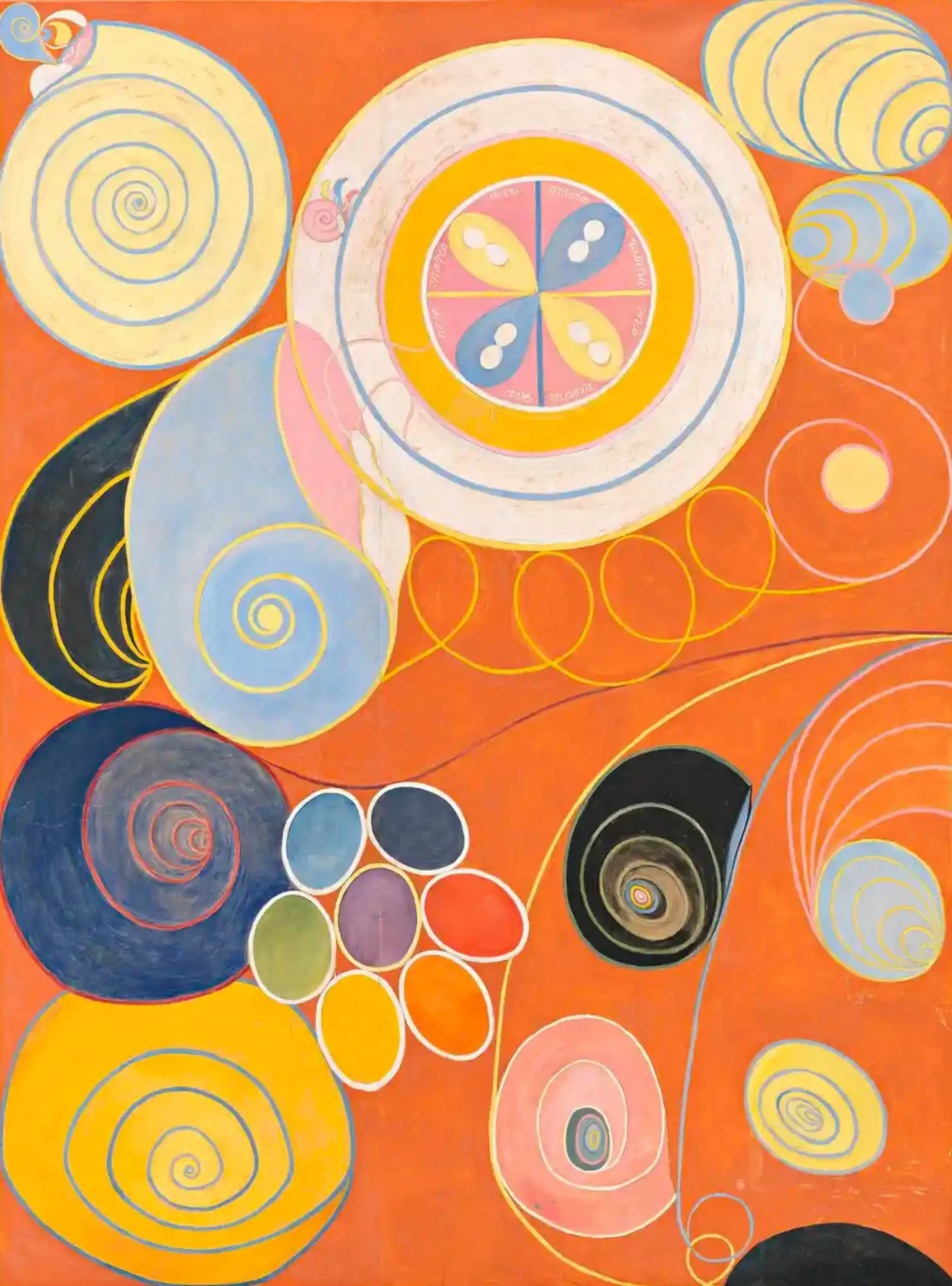
The Ten Largest, Youth (1907) Photo by Albin Dahlström
Hilma Af Klint was a Swedish abstract painter who studied at the Royal Academy of Fine Arts in Stockholm. Her works featured brightly colored, rounded shapes on large canvases.
Af Klint did not exhibit her works during her lifetime because she believed the world was not ready for her style. She asked that it not be shown for 20 years after her death.
Hilma Af Klint died in 1944, and her international debut was not until 1986 — 42 years after her death.
Source: Guggenheim Museum
Jeanne Hébuterne (1898-1920)
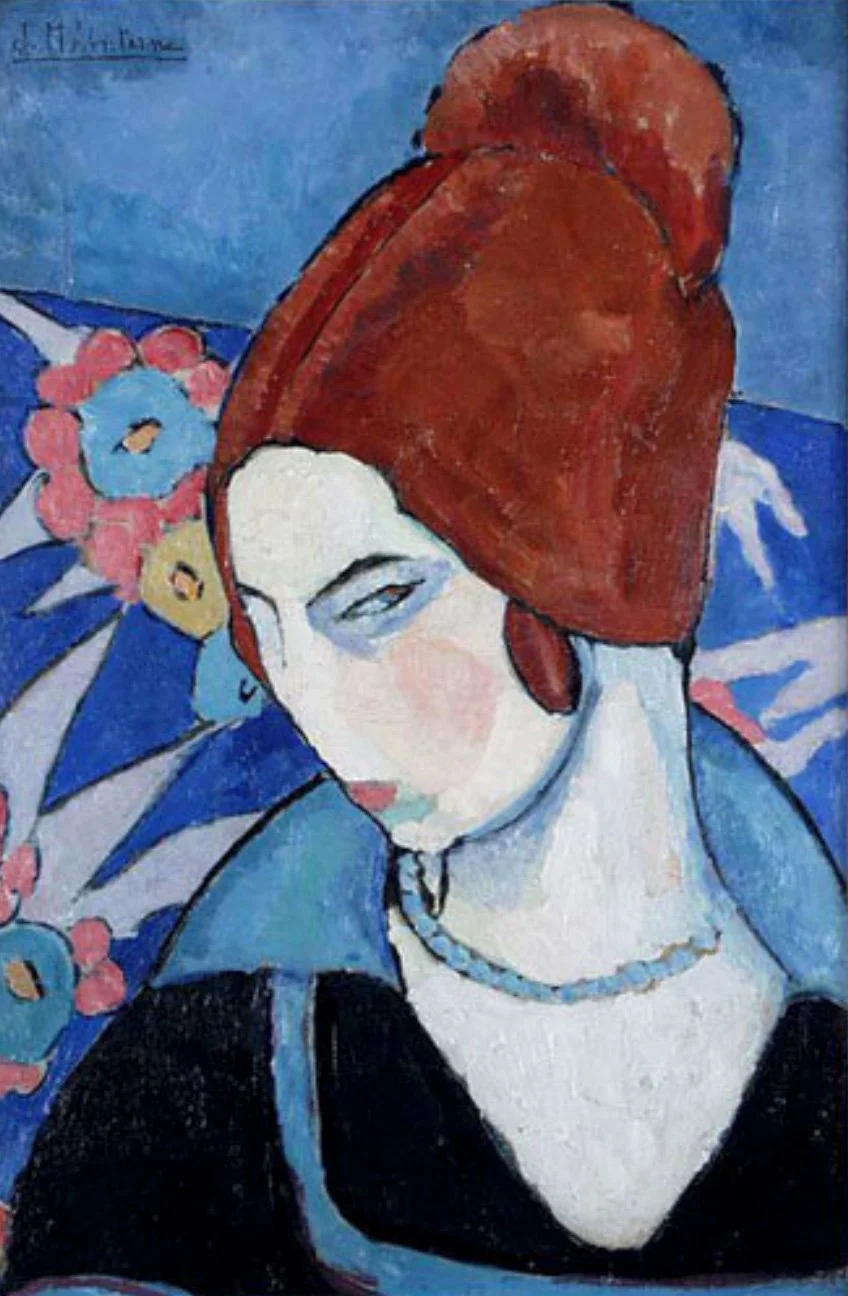
Self Portrait (1916)
Jeanne Hébuterne was a French artist whose legacy has been sadly overshadowed by her more famous partner, Amedeo Modigliani, who was also an artist.
She studied at the Académie Colarossi to pursue an art career, influenced by her brother, who was a painter. Hébuterne’s family, namely her brother, was exceptionally protective of her personal life and possessions, including her paintings.
Her paintings remained unseen until an exhibition in Venice in 2000.
Source: archive.org
Judith Leyster (1609-1660)
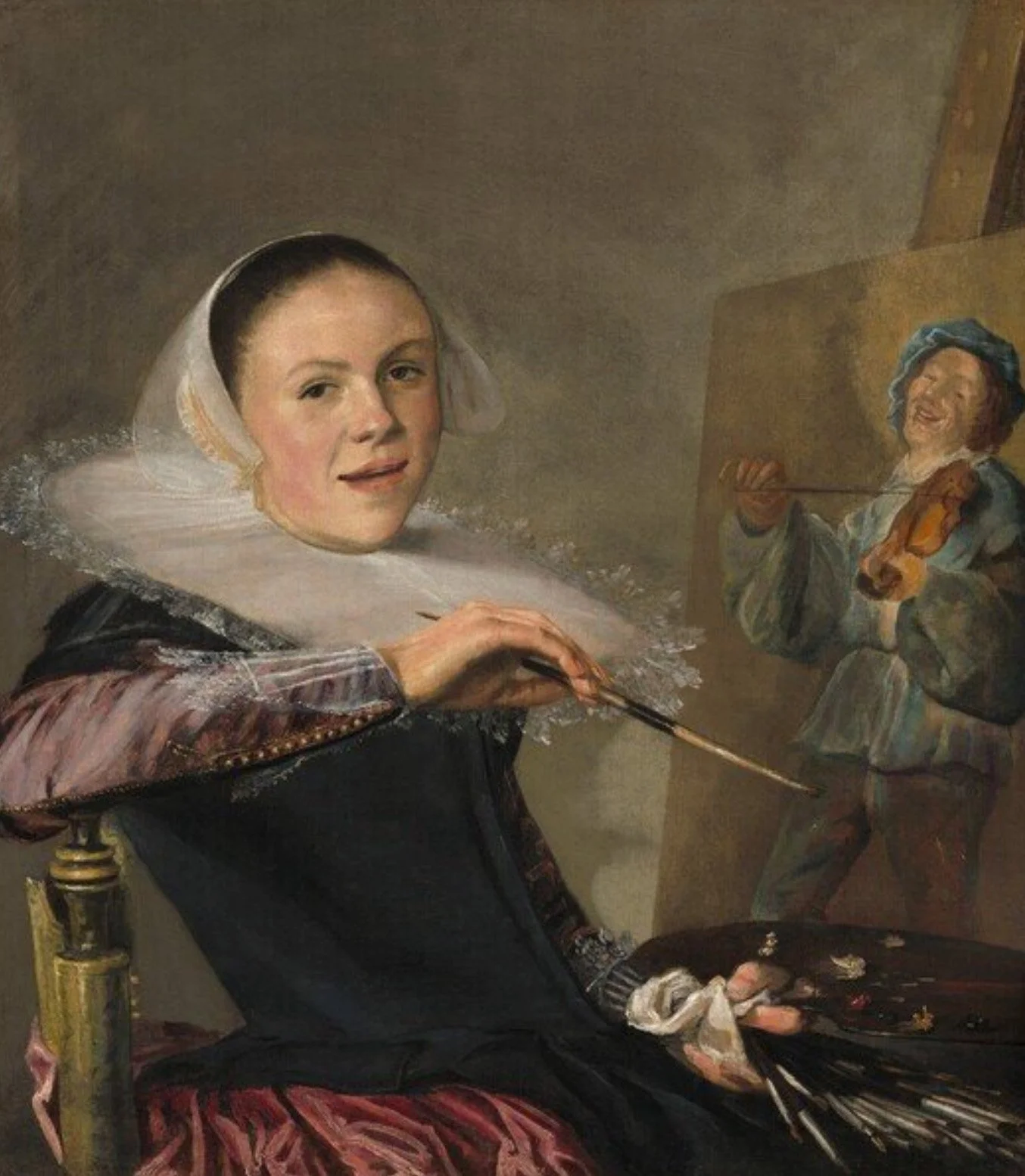
Self-Portrait (1630)
Judith Leyster was a Dutch Golden Age painter from Haarlem. She began her art career in her late teens, but there is not much known about her artistic training.
Leyster was the first known woman to join Saint Luke’s Guild of Haarlem and had three students.
Her works were typically genre paintings, similar to other Dutch painters at the time (e.g., Frans Hals), but she also painted still lifes.
Source: National Gallery of Art
June Leaf (1929-2024)
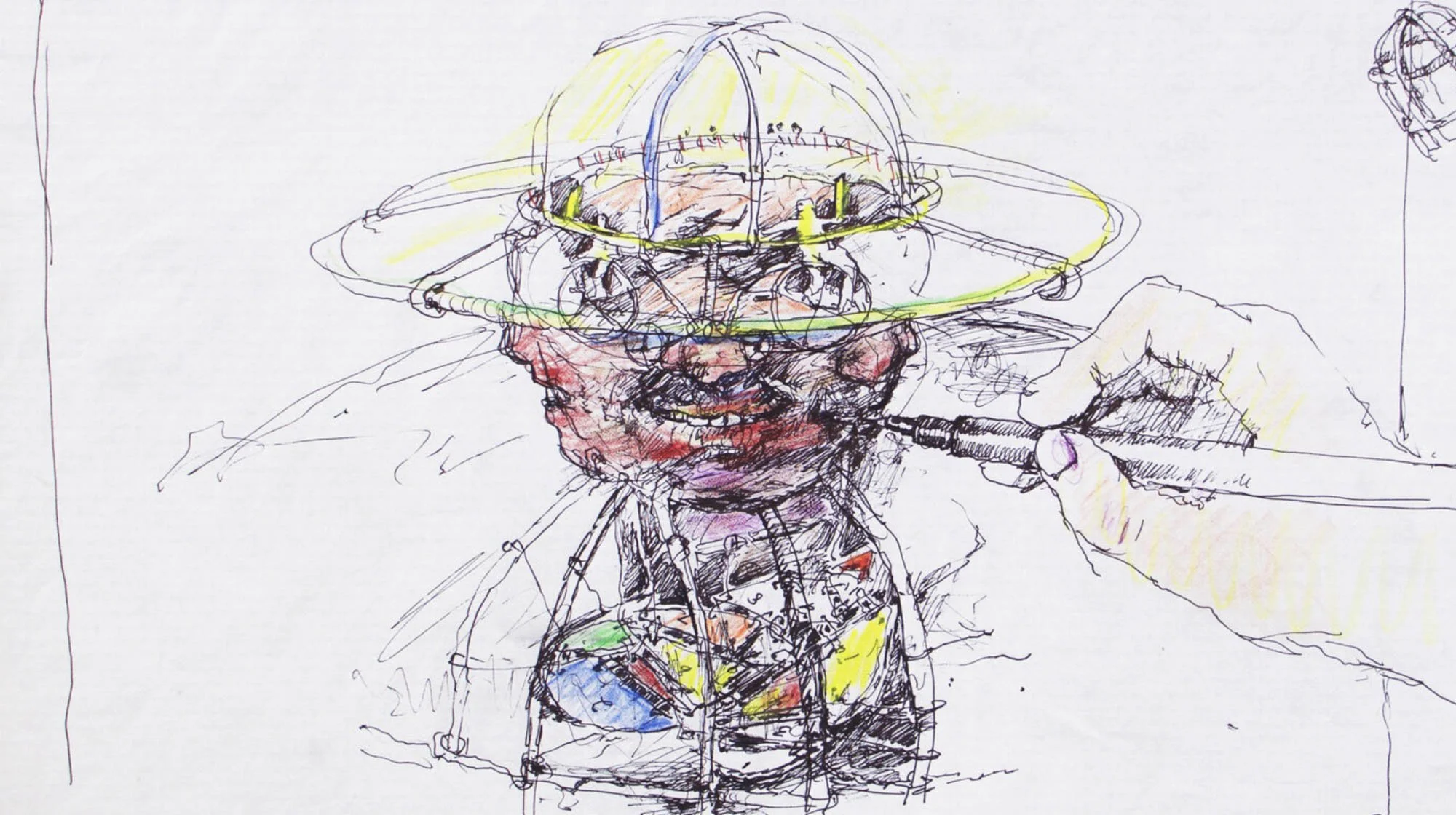
Mother/Ballroom (1978)
June Leaf was an American artist who split her time between New York and Mabou, Nova Scotia. June passed away in July 2024 at the age of 94.
There is a lot of movement in her work, which ties back to her early life as a ballet dancer. Leaf says when she draws, she is dancing, which is evident in her work (Rosemary Feitelberg, wwd.com).
Sources: WWD.com | Whitney.org
Lavinia Fontana (1552-1614)
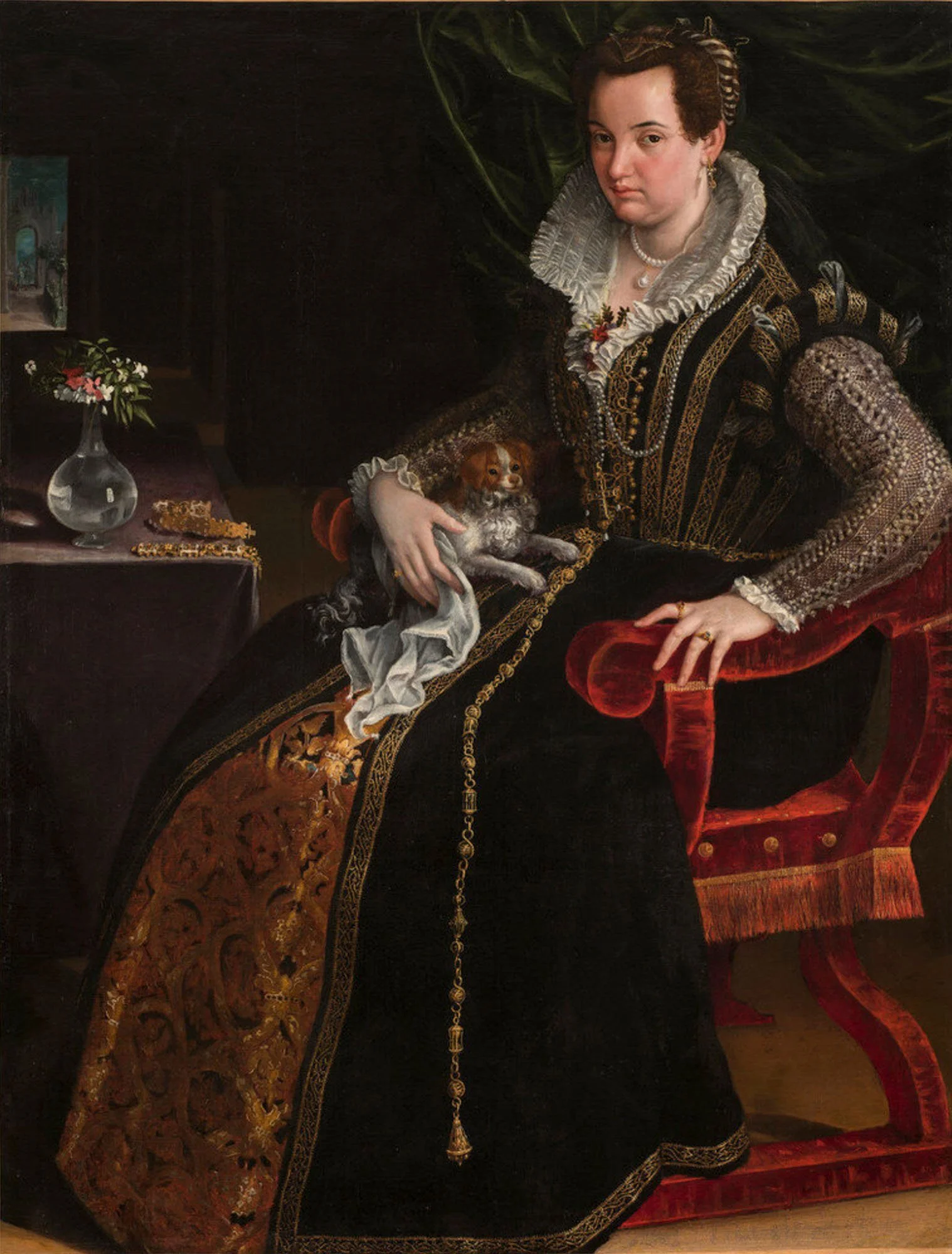
Portrait of Costana Alidosi (1595)
Lavinia Fontana was born in Bologna, Italy, and is said to be the first female artist in history (although there may be many others who just weren’t known).
She was a portrait painter who often painted noblewomen from Bologna. Fontana’s husband was his assistant and the stay-at-home dad to their 11 children while she worked as an artist.
Source: National Museum of Women in the Arts
Lee Krasner (1908-1984)
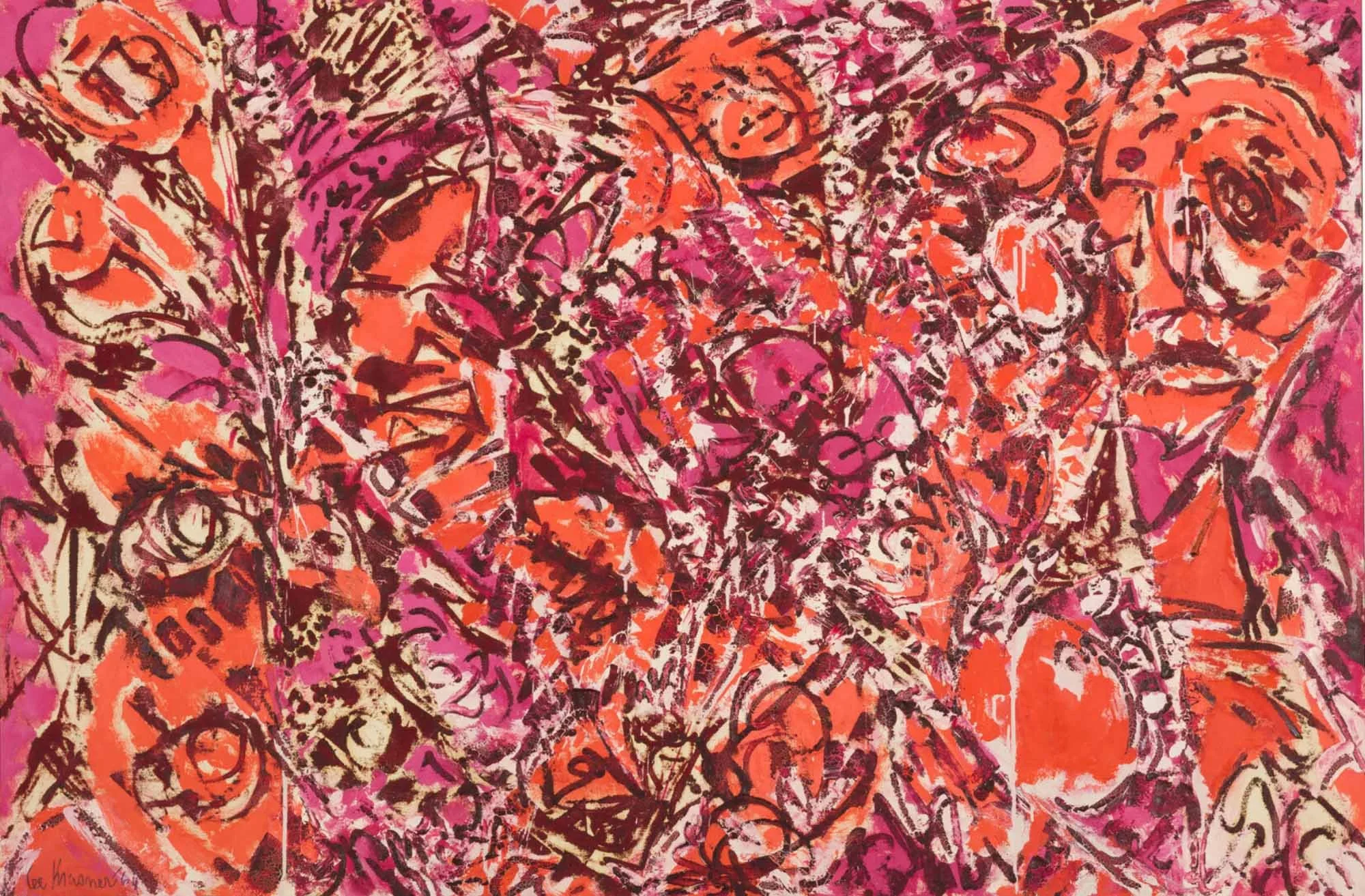
Icarus (1964)
Lee Krasner was born in Brooklyn, NY, and was a leader in the Abstract Expressionism movement. She worked in a large range of mediums, including collage and large-scale paintings.
Krasner was part of the American Abstract Artists group, where she met and befriended many other known artists.
Source: MoMA
Leonora Carrington (1917-2011)
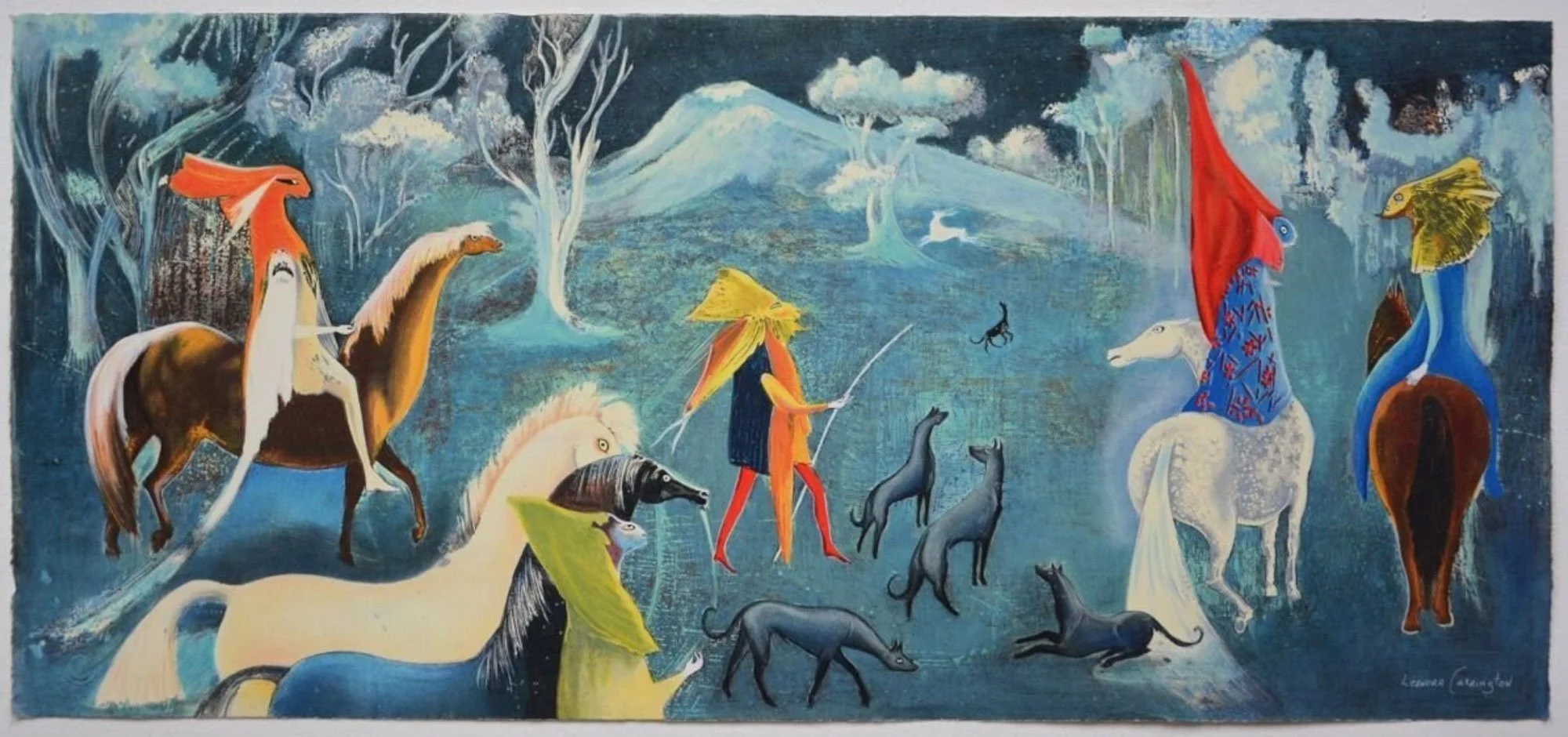
Figuras Fantásticas a Caballo (2011). © 2019 Estate of Leonora Carrington / Artists Rights Society (ARS), New York.
Leonora Carrington was a Surrealist painter born in England. She lived in many different places, including Spain, Paris, New York, and Mexico City, spending most of her adult life in the latter.
Her first solo gallery show was at New York’s Pierre Matisse Gallery when she was 31 years old. Carrington’s subject matter was typically Surrealist narrative scenes, some of which were painted on animal skins.
Source: National Museum of Women in the Arts
Louise Bourgeois (1911-2010)
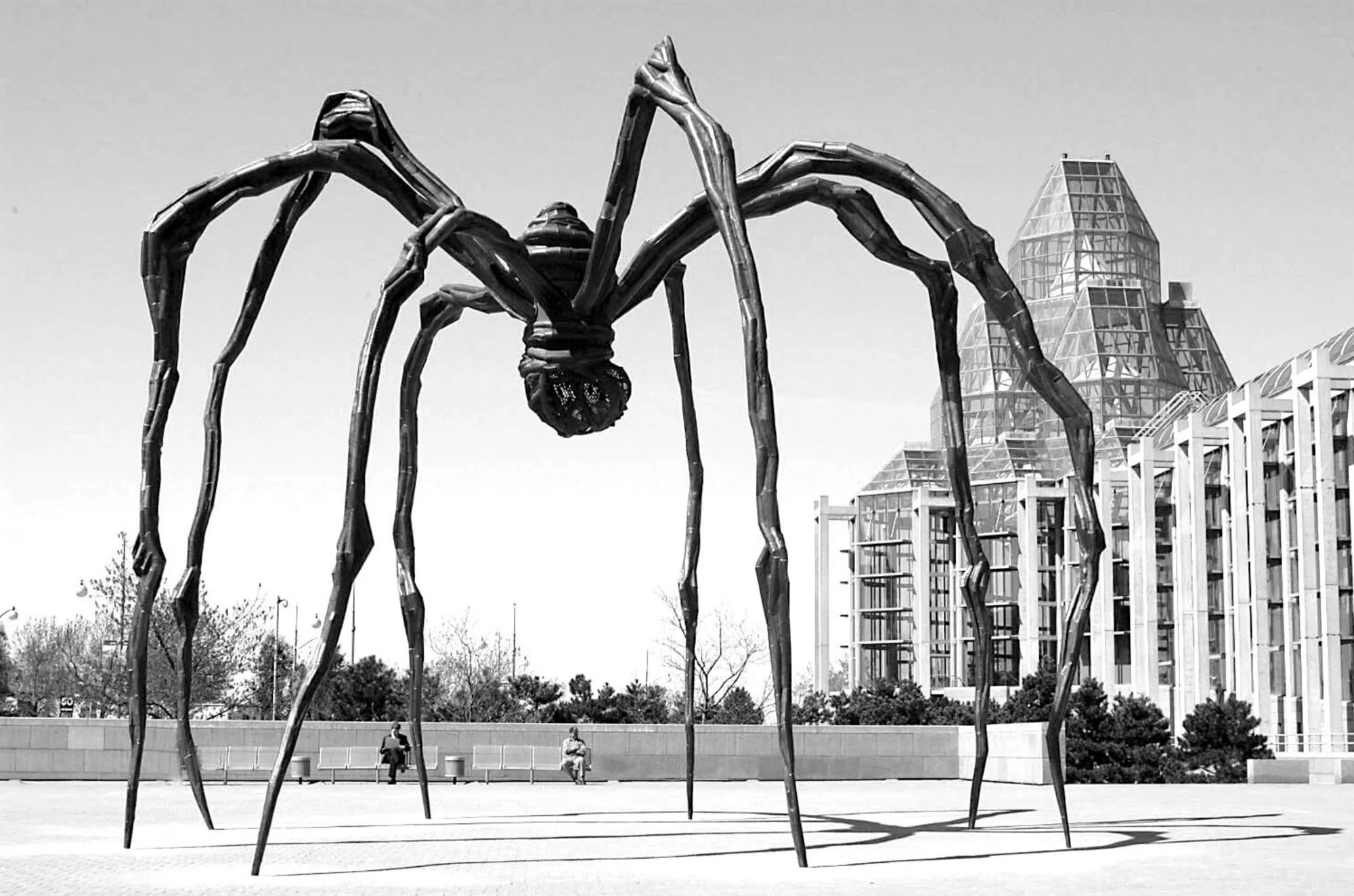
Maman (1999)
Louise Bourgeois was born in Paris in the early 1900s. She started out with printmaking and painting, but is now mostly known for her large, organic sculptures. Bourgeois took a break from art (painting and printmaking) to explore psychoanalysis, but jumped back into art with a new style – her sculpture work. I’ve seen one of her famous spider sculptures in person, which is both stunning and horrifying.
Source: MoMA
Louise Nevelson (1899-1988)
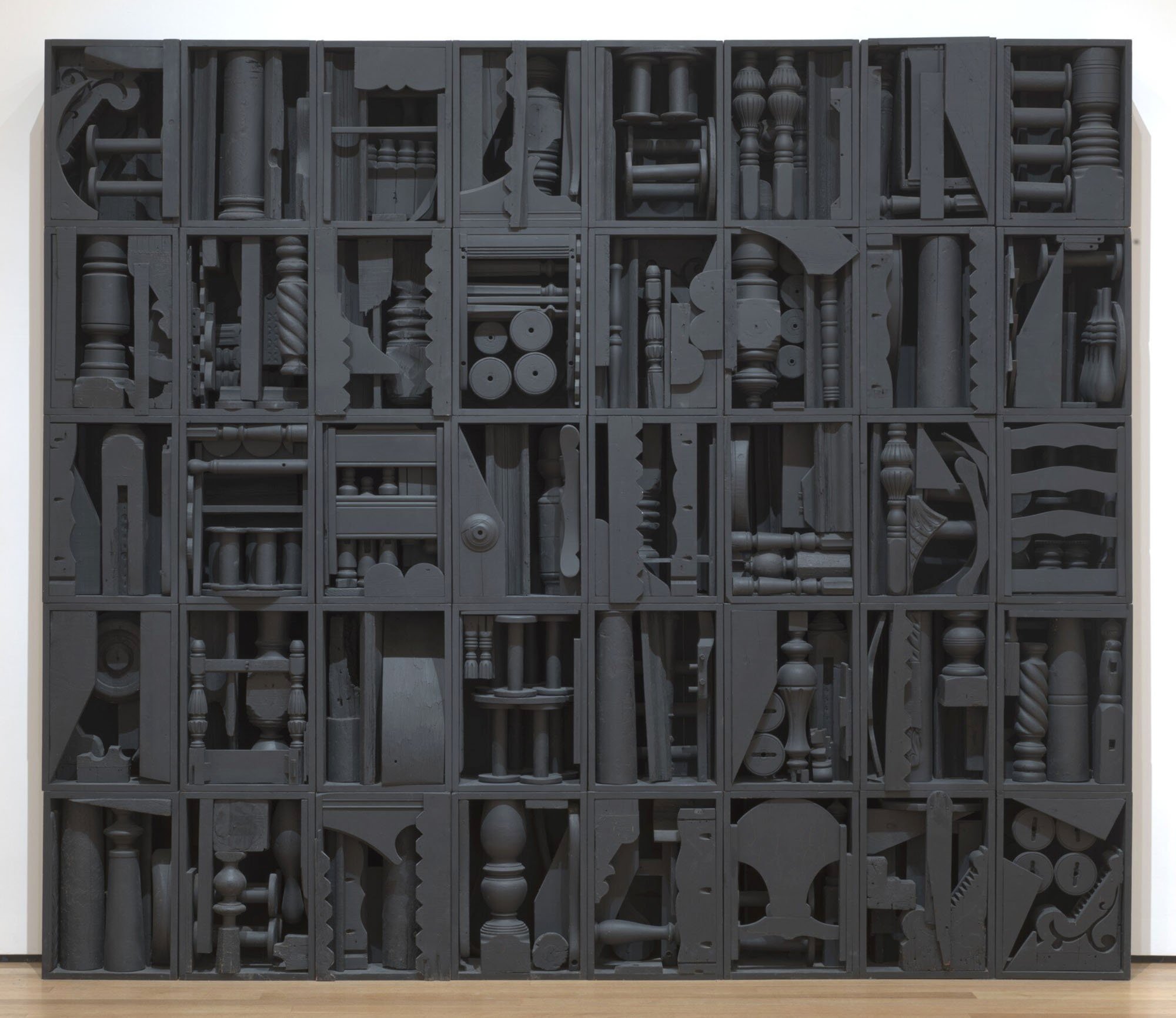
Big Black (1963)
Louise Nevelson was a Russian artist who moved to the U.S. when she was a child. She moved to New York after her teen years to study the arts, ranging from drama to painting.
She worked as an assistant to Diego Rivera, who inspired the work she showed at her first solo exhibition, which depicted Mayan imagery.
Today, Nevelson is known for her incredible sculptures – stacked wooden boxes which were filled with trinkets and spray-painted a solid color (typically black, white, gold, or silver).
Source: Smithsonian American Art Museum
Maruja Mallo (1902-1995)
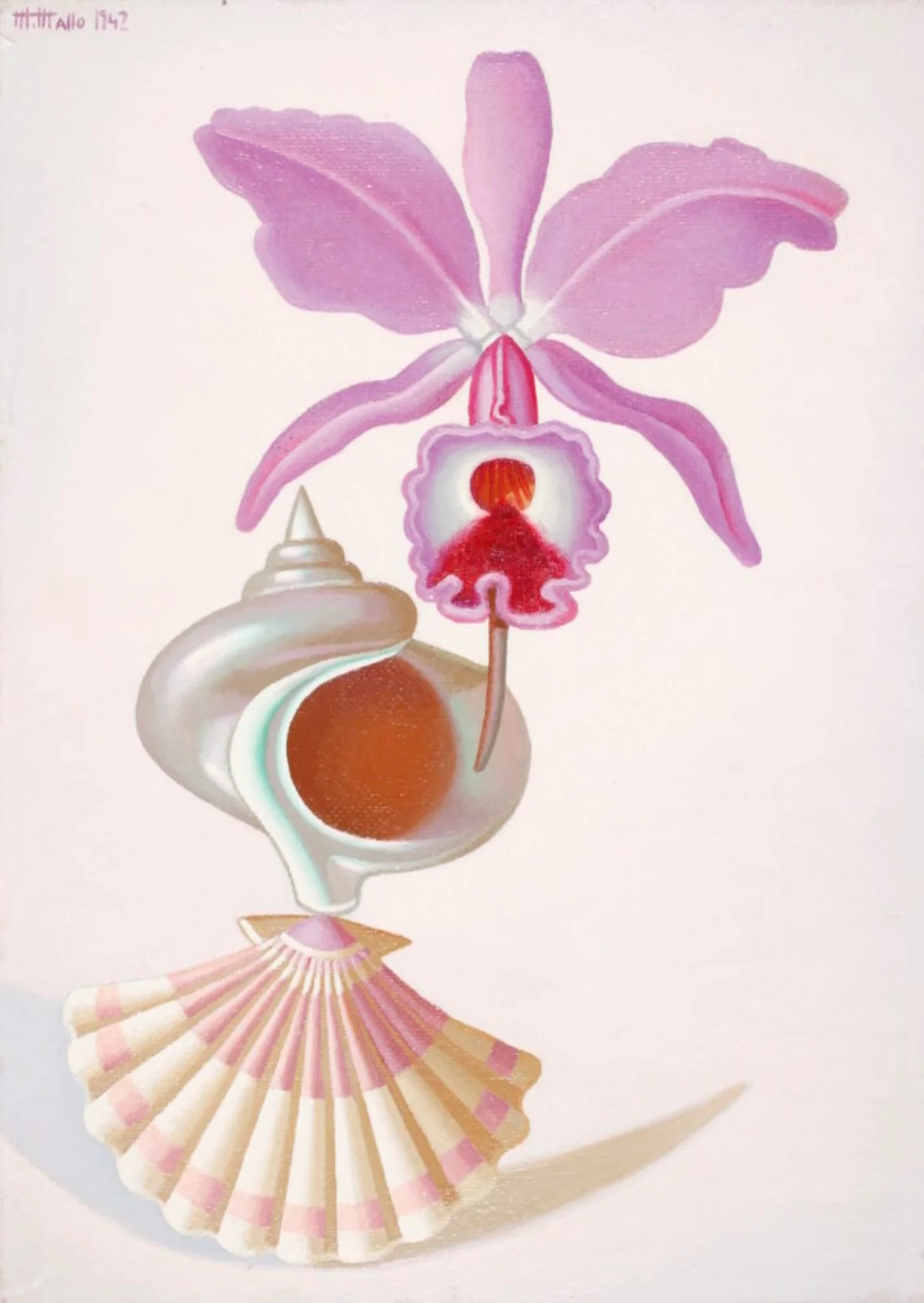
Naturaleza Viva (1943)
Maruja Mallo was a Spanish artist who studied at the San Fernando Royal Academy of Fine Arts in Madrid.
She had her first solo exhibition at the age of 26. A few years later, she moved to Paris and was influenced by the Surrealism she saw there.
Mallo’s work celebrates female sexuality, and she wanted to depict women as more than just their looks and sex appeal.
Sources: Aware Women Artists | Wikipedia
Mary Cassatt (1844-1926)
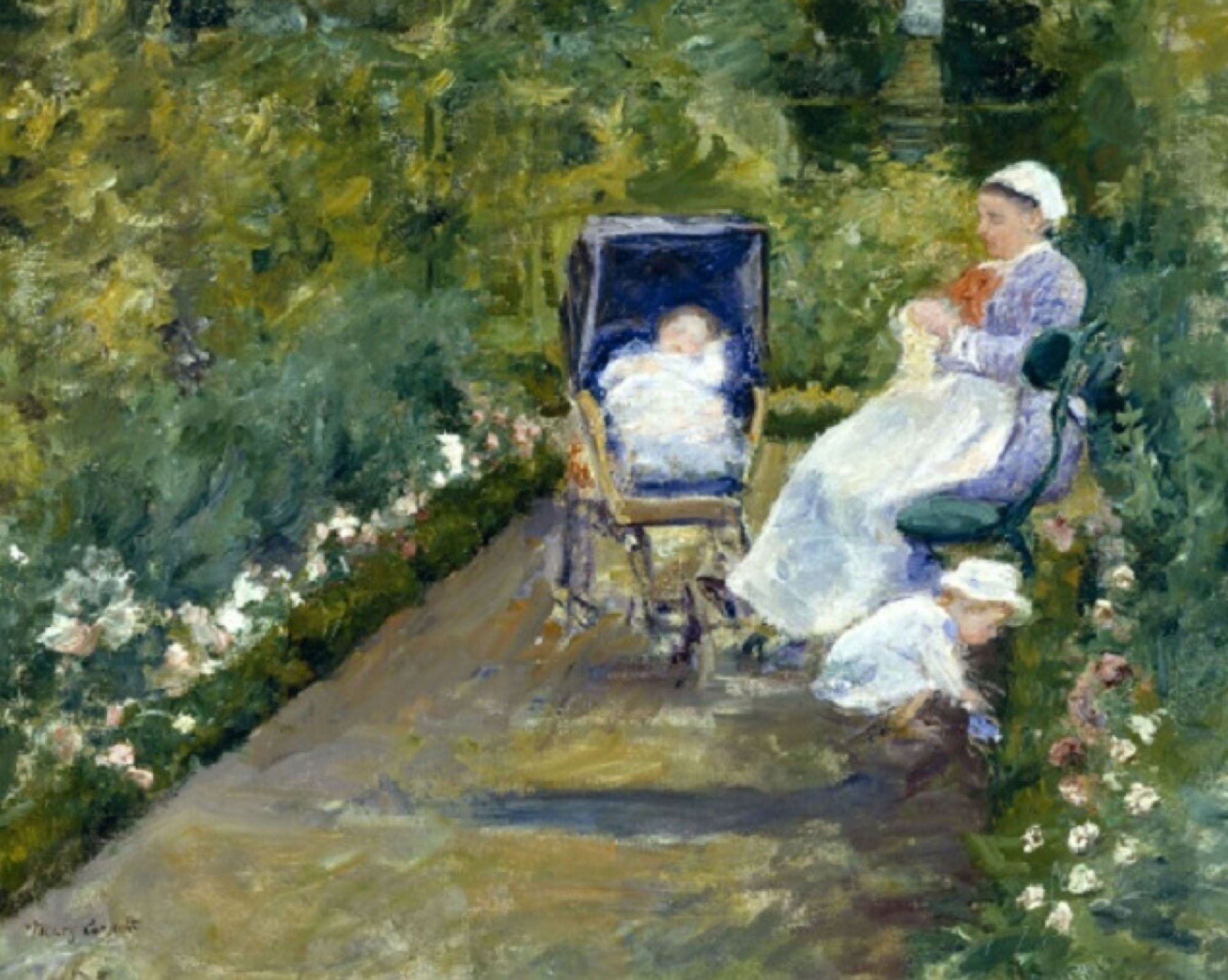
Children in a Garden (The Nurse) (1878)
Mary Cassatt was an Impressionist painter and printmaker born in Pennsylvania. Growing up, she lived in Europe and visited many different countries during her childhood.
Later on in life, Cassatt moved to Paris with her mother, where she privately studied with masters from École des Beaux-Arts.
Her work features a large range of different subjects, but is most known for her depictions of mothers and their children.
Source: marycassatt.org
Rosa Bonheur (1822-1899)
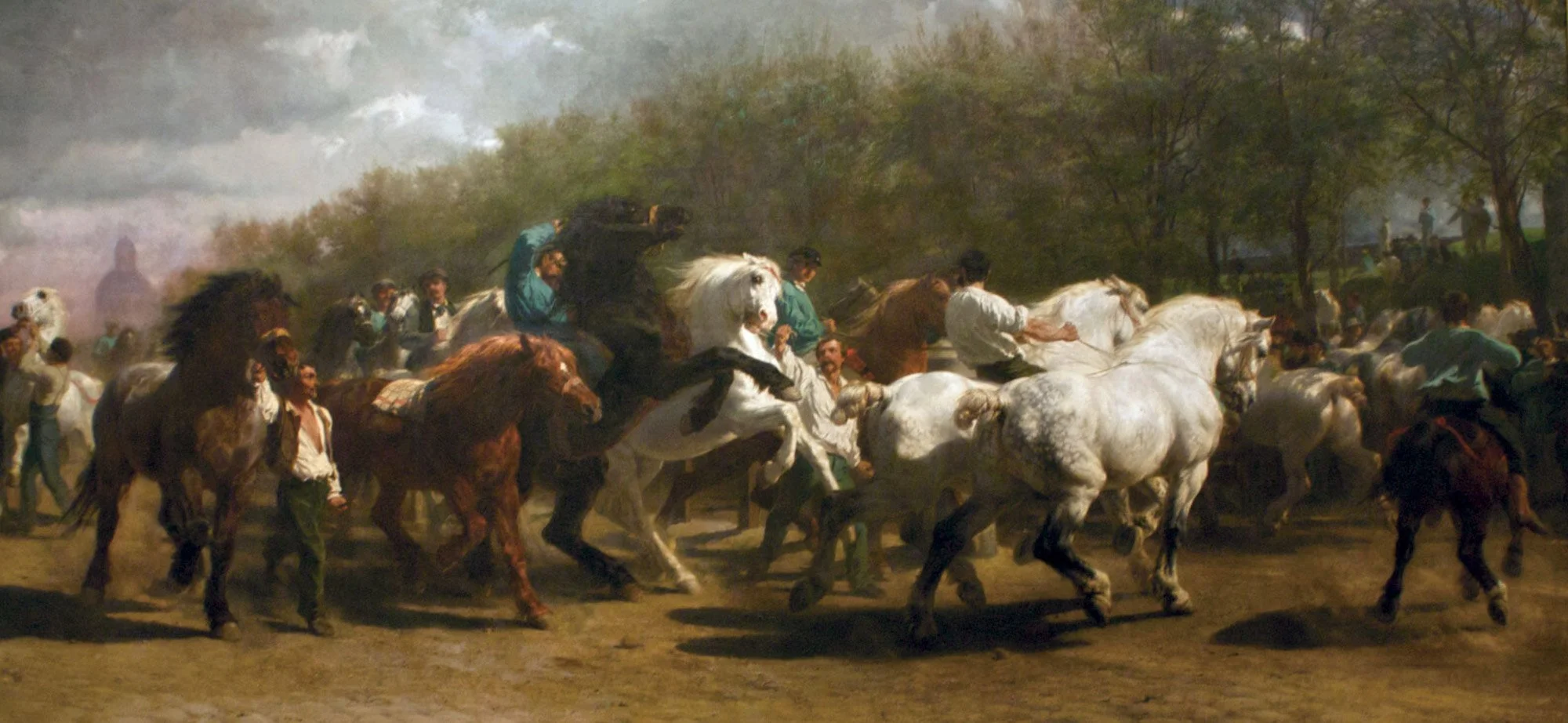
The Horse Hair (1853) | Photo by dmadeo
Rosa Bonheur was a French painter who learned painting at a young age, thanks to her father, who was also a painter. She quickly became successful and was only 19 when she had her first exhibition.
Much of her work depicts animals in movement, and her painting The Horse Fair (1853) is considered to be her masterpiece.
Sources: National Gallery
Sofonisba Anguissola (1532-1625)
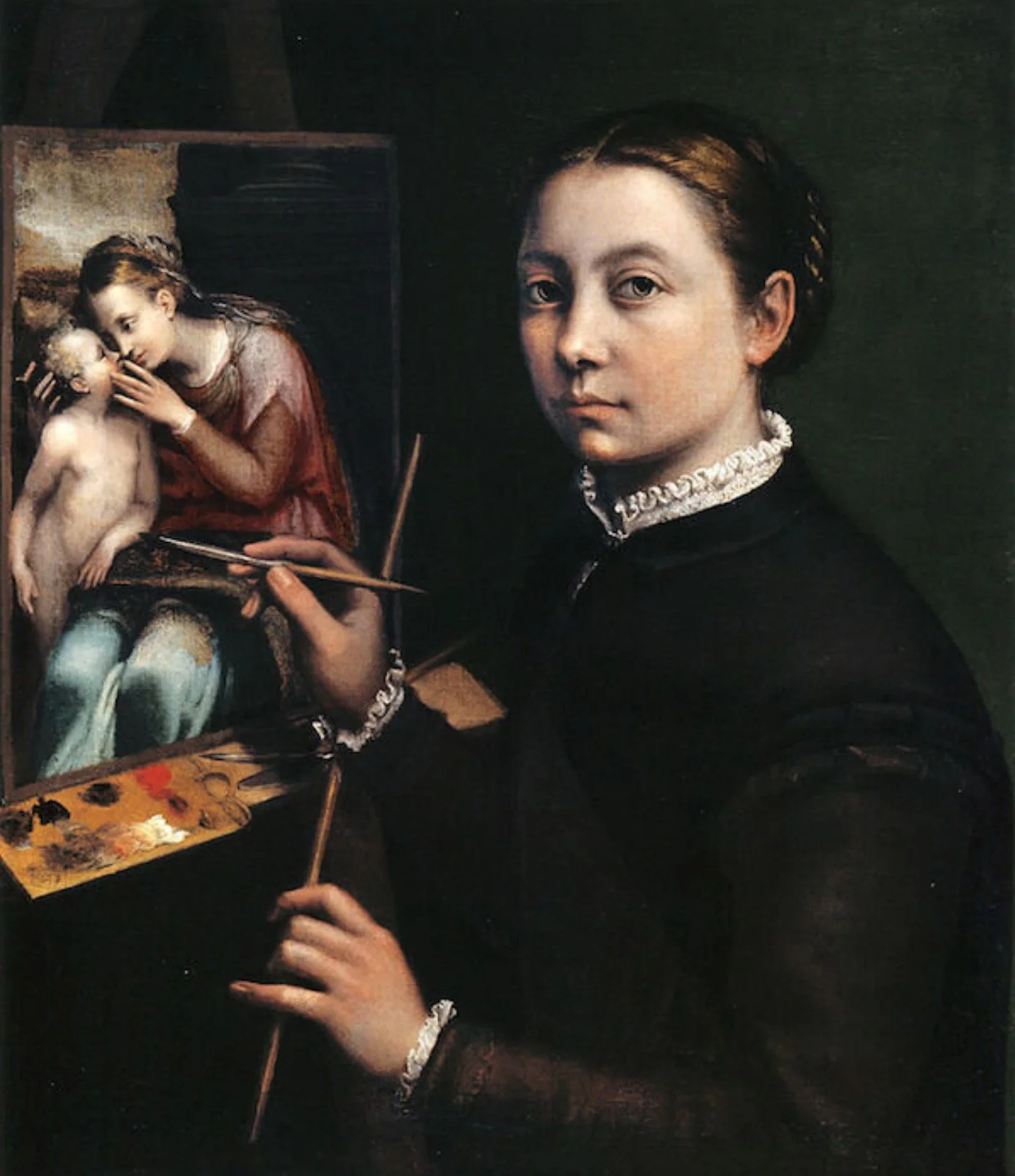
Self Portrait at the Easel (1556)
Sofonisba Anguissola was an Italian portrait artist during the Renaissance who often painted self-portraits and portraits of her family.
She was a lady-in-waiting to the Queen of Spain in 1559, but still managed to paint a dozen self-portraits during that time.
Despite women not being allowed to become apprentices to master artists in Italy during this time, Sofonisba still managed to study with other artists.
Source: smarthistory.org
Tamara de Lempicka (1898-1980)
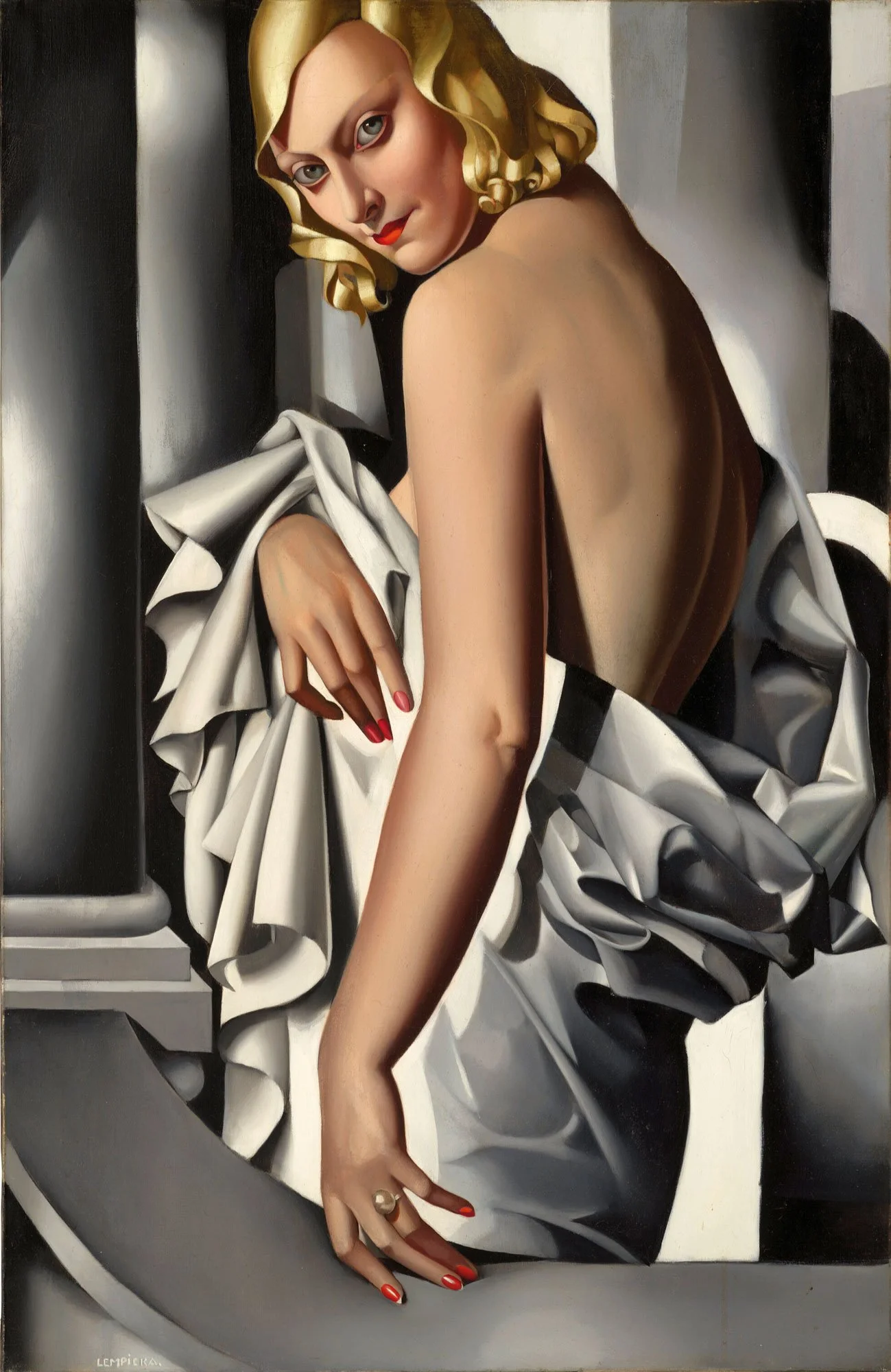
Portrait de Marjorie Ferry (1932)
Tamara de Lempicka was an artist during the Roaring Twenties and part of the Art Deco art movement. She was born in Poland but lived in Paris, the U.S., and Mexico.
She painted Art Deco-style portraits of people from all different professions, from writers to scientists to industrialists.
Source: delempicka.org